While it might lack the depth of Project, its user-friendliness makes it a good choice for less complex projects or teams new to project management tools. Creately’s easy visual workflows and powerful data integrations helps deliver a single reference point for everything during a project lifecycle. You can easily organize and manage tasks, resources, assets, and workflows in an easy, visual platform with advanced built-in visual project management tools. There are significant differences between project managers and program managers that are worth exploring.
Five Reasons A Master’s In Project Management Is Worth It
A program is a collection of related projects that are managed together to achieve a common goal. It is a long-term initiative that involves multiple projects, each with its own objectives and deliverables. On the other hand, a project is a temporary endeavor with a specific objective, timeline, and budget. It is a standalone effort that is executed to create a unique product, service, or result. In summary, a program is a larger, strategic initiative that encompasses multiple projects, while a project is a specific, time-bound effort with a defined outcome.
Project Vs Task Management: The Key Differences

Projects, on the other hand, are usually led by project managers who are responsible for planning, executing, and closing the project within the constraints of time, budget, and scope. To be effective, it is essential that the project managers, program managers, and portfolio managers within an organization all understand each other’s roles in reaching company goals. Without this, there may be unnecessary confusion and miscommunication that can derail an initiative before it even begins. ProjectProgramA non-profit organization starts a project to provide clean water solutions to a specific community. The program manager oversees multiple projects, including clean water initiatives, healthcare support, and education programs, to ensure they align with the organization’s mission and deliver meaningful benefits.
Project Vs Program Vs Portfolio Management: What Are The Differences?
Project managers are in charge of overseeing the project life cycle, which is made up of five stages. Project initiation, project planning, project scheduling, project monitoring and project closing. To be executed, projects require resources such as human resources, raw materials and machinery, which are used to execute activities, produce deliverables and achieve milestones. Program managers and project managers work together when projects and programs overlap. Let’s say, for example, that you’re a program manager on a company’s design team.
More Efficient Resource Allocation
On the one hand, initiatives refer to a plan or action which underlines its strategic nature. On the other, projects can be far more precise, indicating their rather operational character. As Microsoft phases out Project Web App, Project for the Web emerges as the future of online project management, streamlining processes for a more intuitive and efficient user experience.
Managing Projects Through Tasks
This complexity necessitates the structured approach of project management to ensure every aspect aligns with the strategic vision. Each department must not only understand their roles but also how their contributions impact the overall success of the initiative. Regular communication and updates are essential, as is the establishment of clear milestones to track progress and make necessary adjustments along the way.
The Ultimate Guide To Project Management Tools For Efficient Workflows
Projects are finite, with clear deliverables and objectives that aim to meet immediate needs, often at the cost of preparing for future needs, adding to costs in the form of change requests later on. While projects can be part of a product’s lifecycle, their focus is narrower and often lacks the flexibility needed for iterative growth. “Project” and “process” are two distinct concepts often used in the context of work, management, and various industries. Organizations often use both projects and processes to manage their work effectively.
Projects are like engines for new ideas and goals, bringing change and innovation. Processes, on the other hand, keep things running smoothly every day, making sure everything is consistent and of high quality. Finding the right mix of projects for growth and efficient processes for daily tasks is crucial for a successful organization.
For instance, a project to launch a new product may take several months and require a multitude of tasks such as market analysis, product design, development, and marketing strategies. Each of these tasks can often be completed independently yet contributes to the larger project goal. The complexity of a project often necessitates careful planning and coordination, as various tasks must be aligned to ensure that deadlines are met and objectives are achieved. Understanding the foundational concepts of projects and tasks is the first step in effective management. Though commonly used interchangeably, these terms represent distinct entities that play essential roles in achieving organizational goals. Program and project manager salaries can depend on many factors, including industry and experience.
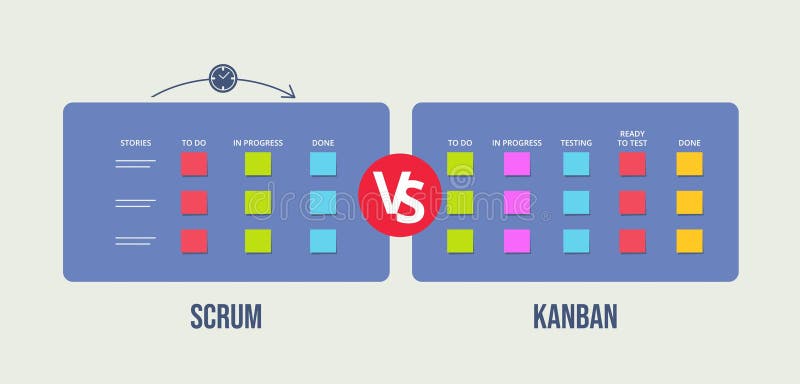
Key techniques in project management include project planning, scheduling, budgeting, and risk management. On the other hand, key techniques in task management include creating a to-do list, prioritizing tasks, breaking down tasks, time-blocking, delegating tasks, and using technology. Our software has features for portfolio management, risk management and is also a collaboration tool that makes it easy for teams working anywhere to work better together. You’ll find all the project management tools available on both Microsoft Project and Microsoft Planner, but they’re more accessible, less expensive and easier to use. Plus, we have a mobile app for Android and iOS so you can take the tool anywhere.
- The late 20th century saw the software development industry grappling with the limitations of traditional project management.
- Program management is not simply managing multiple projects—it’s a bit more strategic than that.
- Recent data indicate that Microsoft’s Project & Portfolio Management tools are most commonly used in large organizations, specifically those with over 10,000 employees and revenues exceeding USD 1 billion.
- We can see how the product mindset easily integrates within an agile framework.
- Soliciting feedback and seeking mentorship from veterans in the fields of product or project management can provide invaluable perspectives on the intricacies and benefits of each career path.
This mentality promotes greater resource utilization and flexibility along with increased competency and satisfaction among employees. Think of Planner as a to-do list on steroids, and Project as a full project planning toolbox. It offers a daily to-do list, daily calendar, Pomodoro timer with ambient sounds, notepad, daily journal tool, and “Recent” – which offers an overview of tasks and projects you recently accessed.
The success of a program manager depends on whether the program meets the needs and provides the benefits it was designed to attain. However, Planner does have limitations when it comes to more complex project management needs. The platform also lacks robust financial tracking and budgeting tools, making it less suitable for projects requiring detailed cost estimation and financial management.
Project Development:
- Milestones in project management assist in monitoring progress and identifying issues early, acting as checkpoints that lead to the final project deliverables.
- The allocation of resources and the level of team involvement is another distinguishing factor.
- If you’re involved with either projects or programs, it’s important to understand the difference between them.
- It offers powerful features beyond Planner’s simple task management but doesn’t overwhelm you as Project’s advanced features.
- If a certain project template is repeated a few times over, it should then warrant process status.
- So it seems all of these tools aim to improve your processes and make managing them easier.
This goes for defining things like what dashboards or project templates, as well other tools to measure timelines and track things like task dependencies. In project management, the constraint of time or scheduling is all about having very clear timeframes and deadlines which are focused on the specific project goals, milestones and deliverables. Here we will dig deeper into the project vs program comparisons made in the above table.